Belly Lox, Soft Eggs & Sweet Onions with Braised Greens and Japanese Sweet Potatoes
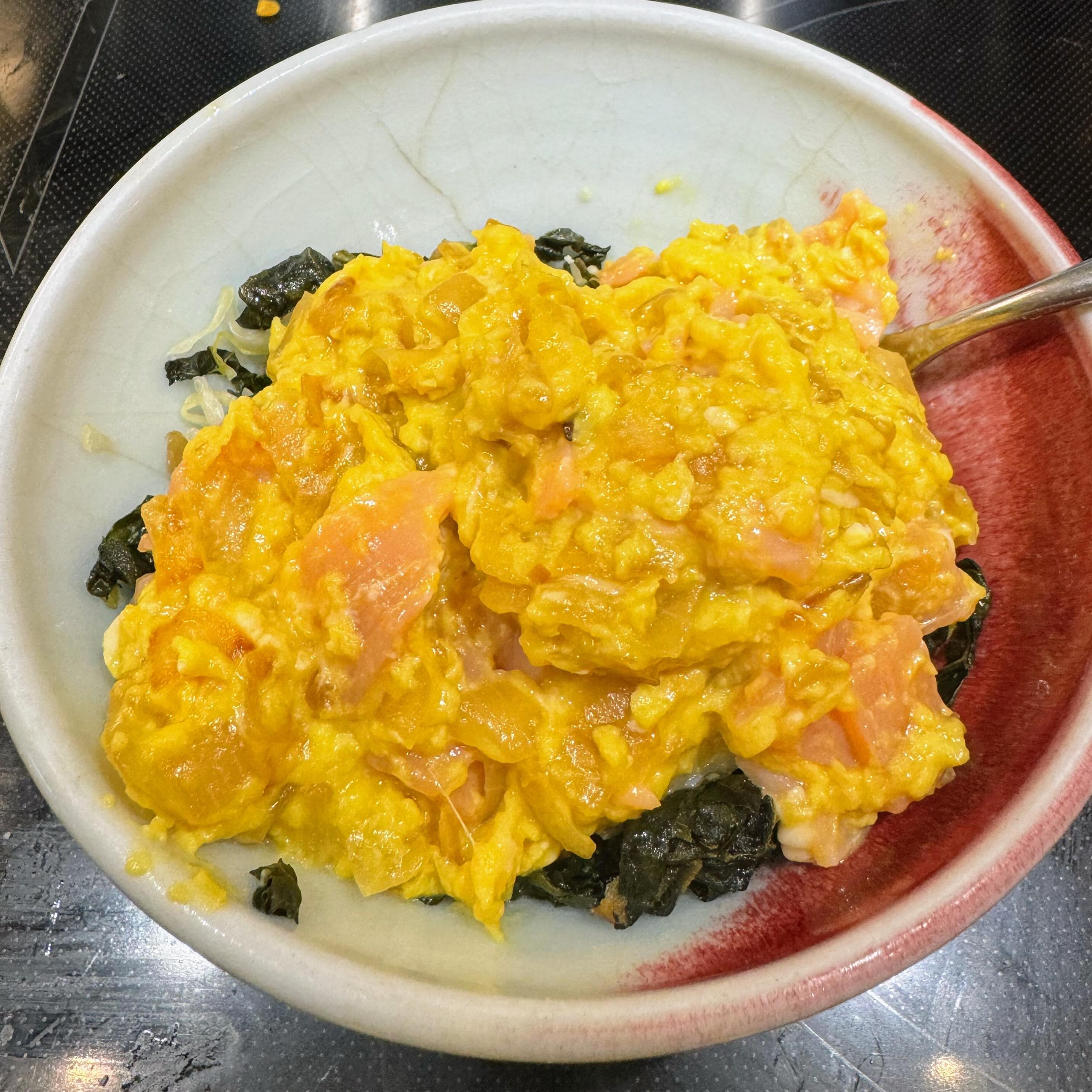
The mighty LEO: buttery soft eggs, sweet golden onions, and ribbons of belly lox with a deep, salty intensity. Braised greens and roasted Japanese sweet potatoes make a generous bed underneath, while crunchy sauerkraut cuts through the richness. This is a cold-weather brunch worth taking slowly.
By Jonathan Katzman · Cooked and photographed · Recipe updated
Serves: 4 servings
Tags: gluten-free, nut-free, pescatarian
Gently Caramelized Onions
Slow cooking draws sweetness from the onions without added sugar. Keeping them golden rather than deeply browned preserves the delicate balance with eggs and lox.
Ingredients
- 2 medium yellow onions, thinly sliced
- 2 tablespoons unsalted butter
- 1 pinch kosher salt
- 2–4 tablespoons water, as needed
Instructions
- Melt the butter in a wide skillet over medium-low heat. Add the onions and salt, stir well, and cover for 5 minutes to help them soften.
- Uncover and cook over low to medium-low heat, stirring every few minutes, until completely tender and golden, 25–35 minutes more.
- Add a splash of water whenever browned juices begin sticking, scraping them back into the onions. Avoid crisp or dark edges.
- Keep warm over very low heat, or set aside until the eggs are ready.
Butter-Soft Scrambled Eggs with Belly Lox
Gentle heat and frequent folding produce moist, tender curds without cream. Adding the belly lox off heat preserves its silky texture and lets its salt season the eggs.
Ingredients
- 8 large eggs
- 4 tablespoons unsalted butter, divided
- 4 ounces thinly sliced belly lox, torn into broad bite-size pieces
- all prepared gently caramelized onions, warm
- to taste freshly ground black pepper
Instructions
- Whisk the eggs until the whites and yolks are fully blended. Do not add salt; belly lox supplies plenty.
- Melt 3 tablespoons butter in a large nonstick skillet over low heat without browning it. Add the eggs.
- Cook slowly, sweeping a flexible spatula across the bottom and folding the eggs into soft curds. Move the skillet off the burner briefly whenever the eggs begin setting too quickly.
- When the eggs are mostly set but still glossy, gently fold in the warm onions. Continue cooking just until softly set, with no loose liquid egg remaining.
- Remove from the heat. Fold in the remaining tablespoon of butter and the belly lox with as few strokes as possible. Taste before adding pepper or any additional salt, then serve immediately.
Notes
- Belly lox is salt-cured salmon, not smoked nova. Taste a small piece first; if exceptionally salty, start with 3 ounces and add the rest only if needed.
- For diners at higher risk from undercooked eggs, use pasteurized eggs for a soft scramble or cook ordinary eggs to 160°F.
Braised Winter Greens
Tender kale gives the eggs a substantial, pleasantly bitter foundation. A little lemon brightens the greens without competing with the sauerkraut.
Ingredients
- 2 bunches lacinato kale, about 1 pound total
- 1 tablespoon extra-virgin olive oil
- 1/2 cup water
- 1 teaspoon lemon juice, plus more to taste
- to taste kosher salt and freshly ground black pepper
Instructions
- Strip the kale leaves from the tough stems, wash thoroughly, and cut into broad ribbons.
- Put the kale, olive oil, water, and a small pinch of salt in a wide pot. Bring to a simmer, cover, and cook over medium-low heat for 10 minutes, turning occasionally.
- Uncover and cook another 5–10 minutes, until the leaves are tender but retain some structure. Add water by the tablespoon if the pot becomes dry before the greens soften.
- Let excess liquid evaporate so the greens will not flood the eggs. Finish with lemon juice and pepper, keeping the salt restrained.
Roasted Japanese Sweet Potatoes
Japanese sweet potatoes roast into dense, creamy pieces with lightly browned edges. Their chestnut-like sweetness balances the salty lox and tangy kraut.
Ingredients
- 1 1/2 pounds Japanese sweet potatoes, scrubbed and cut into 1-inch chunks
- 1 1/2 tablespoons extra-virgin olive oil
- 1/4 teaspoon fine sea salt
Instructions
- Heat the oven to 425°F.
- Toss the sweet potatoes with the olive oil and salt. Spread on a rimmed baking sheet in one layer, leaving space between the pieces.
- Roast for 30–40 minutes, turning after 20 minutes, until lightly browned and easily pierced through the center with a knife.
- Keep warm while finishing the eggs.
Notes
- Use the red-purple-skinned, pale-fleshed Japanese sweet potatoes rather than orange-fleshed varieties for the intended texture.
Sauerkraut Finish
Cool, crisp fermented cabbage provides the acidity and crunch that the buttery eggs need. Draining it lightly keeps the plate from becoming watery.
Ingredients
- 1/2 cup Wild West Ferments plain cabbage sauerkraut or another gluten-free plain sauerkraut
Instructions
- Drain off excess brine without squeezing the cabbage dry.
- Portion about 2 tablespoons per plate. Add at serving rather than cooking it with the greens.
Overall Timing / Workflow
The potatoes and onions cook in parallel, leaving only the eggs for the final minutes. Having the base ready prevents the scramble from overcooking while it waits.
Instructions
- 0:00 — Heat the oven to 425°F. Cut and season the sweet potatoes, then put them in the oven.
- 0:10 — Start the onions while the potatoes roast.
- 0:20 — Wash and cut the kale, then begin braising it. Turn the potatoes.
- 0:35 — Drain the sauerkraut, tear the lox, and whisk the eggs. Check the potatoes and onions for tenderness.
- 0:40 — Keep the finished potatoes, greens, and onions warm. Warm four plates.
- 0:45 — Make the soft scramble, fold in the onions, and add the lox off heat. Plate immediately.
Plating
Layering the eggs over the vegetables brings the sweet, bitter, salty, and tangy elements into each forkful without sacrificing the eggs' soft texture.
Instructions
- Divide the warm braised greens among four shallow plates and nestle the roasted sweet potatoes into and around them.
- Place a small tuft of sauerkraut at the edge of each bed of greens, leaving some exposed.
- Spoon the lox, eggs, and onions generously over the center. Serve at once while the eggs are glossy and soft.
Leftover Path
The vegetables reheat well, but the delicate eggs and cured salmon are best freshly combined. Storing the components separately protects their textures.
Instructions
- Refrigerate cooked components in separate airtight containers within 2 hours. Use leftover scramble within 1–2 days and cooked vegetables within 3–4 days; keep sauerkraut and unused lox refrigerated according to their labels.
- For the best second meal, reheat the greens, potatoes, and onions and make fresh eggs, adding any remaining lox off heat.
- If reheating leftover scramble, warm it gently in a covered skillet with a small splash of water until it reaches 165°F. Expect firmer eggs and less silky salmon; do not repeatedly reheat.